
What is involved in autism testing?
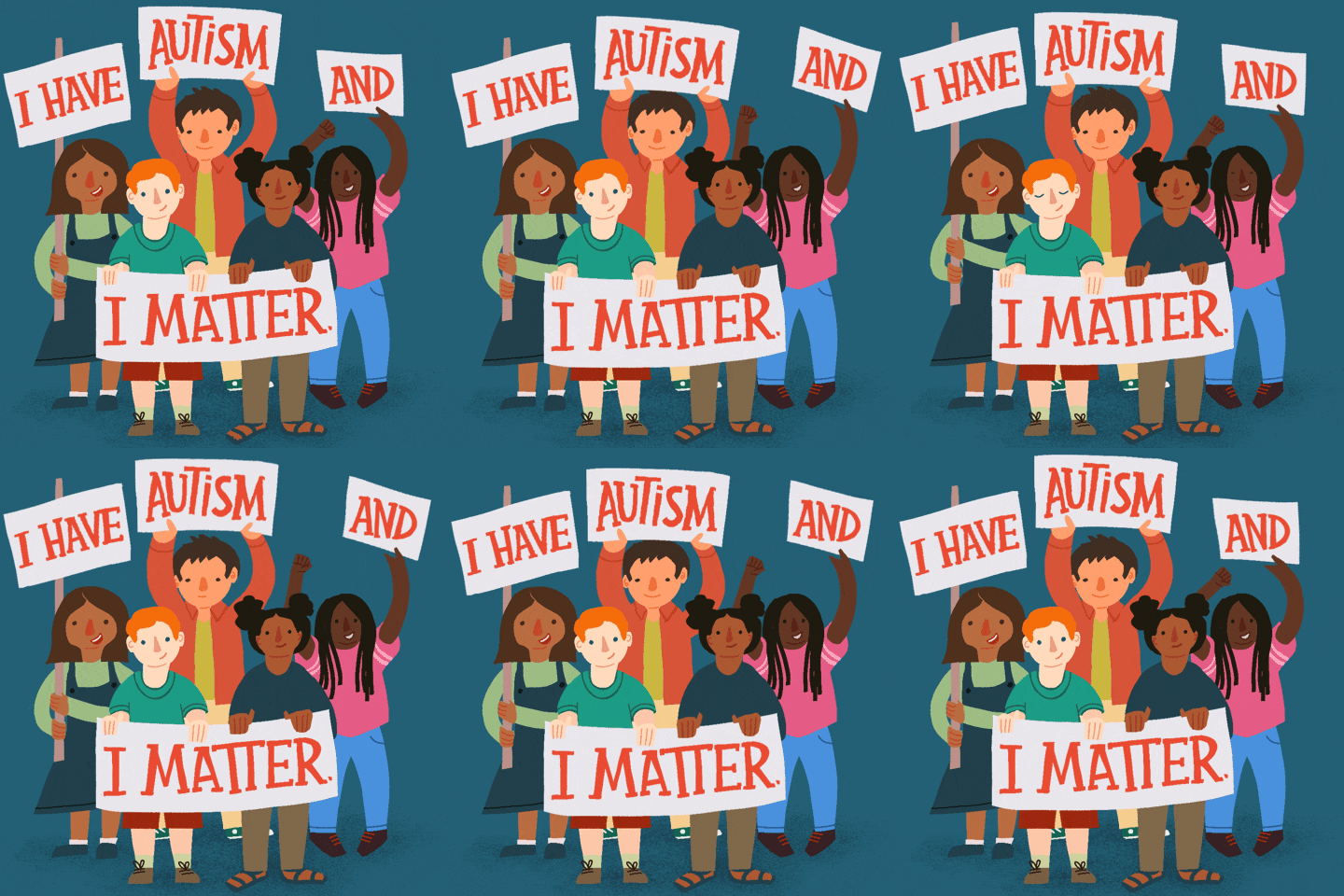
When most people think of autism, they think of childhood. The assumption being that if a person is autistic they would have received that diagnosis when they were young. This is not always the case. Some adults struggle with the symptoms and challenges associated with autism but have never received a diagnosis.
The increased awareness of autism and associated neurodivergent traits in adults has led to many seeking testing. Adults often consider autism when a person in their family is diagnosed and they recognize autistic traits in themselves. Misconceptions and stigma around autism can lead to misdiagnosis, or often no diagnosis at all.
For individuals and caregivers seeking info about autism and the potential for a diagnosis, the process can take several paths. Whether you are an adult considering self-diagnosis or seeking a professional evaluation, or someone wondering about the diagnostic options for a loved one, understanding the resources available to you and what your goals are will help you choose the best way forward.
Barriers to Receiving an Autism Diagnosis
Individuals may find themselves waiting months to years for a diagnostic assessment, and the associated costs and lack of transparency can make the whole process inaccessible for some. Many professionals who conduct evaluations lack training in neurodiversity-affirming care, rely on outdated information, or may use diagnostic tools that are not age-appropriate do not adequately take into account the diversity of experience. Diagnostic assessments are often particularly inadequate when it comes to diagnosing people of color, women, trans, and gender-diverse individuals, often due to implicit biases. Each year, the CDC publishes data that outlines observed diagnostic differences across race, ethnicity, and gender.
Cultural backgrounds, family attitudes, and lack of access to info about autism and its signs can create additional challenges to getting an accurate diagnosis. Sometimes individuals can present with ADHD, OCD, PTSD, anxiety, and/or depression in addition to autism. These conditions can overshadow autistic traits and lead to the wrong or incomplete diagnosis.
Some individuals have even consciously or subconsciously learned how to hide symptoms of ASD, also called “masking”, to feel safer or more accepted, which can make it difficult for professionals to identify these traits during evaluations.
If you are looking for neurodivergent-affirming and marginalized care, Blue Sage Wellness is the place to go with PMHNPs of color working to help you through your journey.
Exploring Self-Diagnosis
For many, the journey begins with self-diagnosis. Many within the community report that self-diagnosis through research or taking an online questionnaire was one of their first steps toward understanding themselves better. Self-assessment can be a valuable first step, especially if you or your loved one feel confident in self-reflection and are eager to learn more about autism.
There is also some research that shows beyond self-affirming, online assessments and self-diagnosis can be accurately indicative of autism.
While we at Blue Sage Wellness and many support groups recognize and honor the value of self-diagnosis, it is important to note that many government services and agencies such as disability do require a formal evaluation to be eligible.
Pursuing a Professional Autism Assessment
A formal evaluation and a professional diagnosis can not only provide validation but also open up opportunities for accessing benefits like Social Security Disability Insurance (SSDI) or Supplemental Security Income (SSI). In the United States, a variety of medical professionals can diagnose autism. While specific medical professionals are qualified to provide a diagnosis, other practitioners, such as a PMHNP, may also administer assessments and contribute valuable insights into an individual’s needs and can be a big help in the right direction.
Here are the steps to take when considering a professional diagnosis:
Get into the mindset. Preparing mentally for this journey is essential. Recognize that seeking a diagnosis is a significant step toward understanding oneself or a loved one better. Be aware that the process may take some time, and patience will be important as you navigate finding a diagnostician, assessments and evaluations.
Contact your health insurance: Start by checking your insurance coverage for neuropsychological evaluations. Understanding benefits is critical, and in some cases, a referral from a primary care physician (PCP) may be required.
Understand your payment options. If insurance does not fully cover the evaluation, you may be able to find providers who offer sliding scale fees based on income.
Research providers. Look for professionals covered by your insurance, and review their websites for phrases that may indicate a more comprehensive and expansive approach (i.e. “respect for the client’s lived experience,” “neurodiversity-affirming,” and “strengths-based” approaches).
Use search tools on mental health provider websites to filter for neurodiversity-affirming care, ensuring that you find someone whose practice aligns with your needs.
Chat with people in your community whether that be engaging in a local support group or online, these communities can provide recommendations and insights about therapists experienced with neurodiversity, such as those at Blue Sage Wellness.
Prepare for waitlists. Be aware that some diagnosticians may have extended waitlists. Patience is important during this phase, as the evaluation process can take time. It may be necessary to prioritize urgency over your preferred provider. If timely access to evaluation is crucial, be open to exploring alternative professionals who may be available sooner, but be aware that many insurance plans that cover an evaluation may have limits on how frequently they are done. If you compromise the quality of the evaluator for expediency, you may have to wait several years to try again with coverage. Talk with your insurance provider about your policy.
Prepare for your appointment. Compile a list of self-observations and experiences that lead you to suspect autism. Reflect on life history, challenges, and strengths. Diagnostic tools typically rely on a few sources of information: self reflection, descriptions from parents or caregivers about their loved one’s development, and a professional’s observation of the individual’s behavior. It may be helpful to include insights from significant others, friends, or colleagues who can provide context about social interactions and daily functioning.
Understand the evaluation process. Typically, two to three appointments are needed, which will include interviews and activities to assess cognitive and emotional functioning. A final appointment will usually involve a report of the findings and a discussion of next steps.


This is an excellent, comprehensive roadmap for adults seeking an autism diagnosis. You’ve tackled the barriers head-on, particularly the intersectional failures of the diagnostic system regarding women, people of color, and trans/gender-diverse individuals. Highlighting how implicit bias and "masking" lead to misdiagnosis (or "diagnostic overshadowing" with anxiety/OCD) validates the frustrating reality many adults face when seeking answers.
Your balanced view on self-diagnosis is very refreshing. Acknowledging that it is often the crucial first step toward self-understanding, while also clearly outlining the practical necessity of formal diagnosis for accommodations (like SSDI), gives readers a realistic picture of their options.
For those in that crucial "exploration" phase—perhaps relying on self-reflection but feeling overwhelmed by how to articulate their masked traits to a…