
What Is Integrative Psychiatry — and Why It Matters for BIPOC Healing
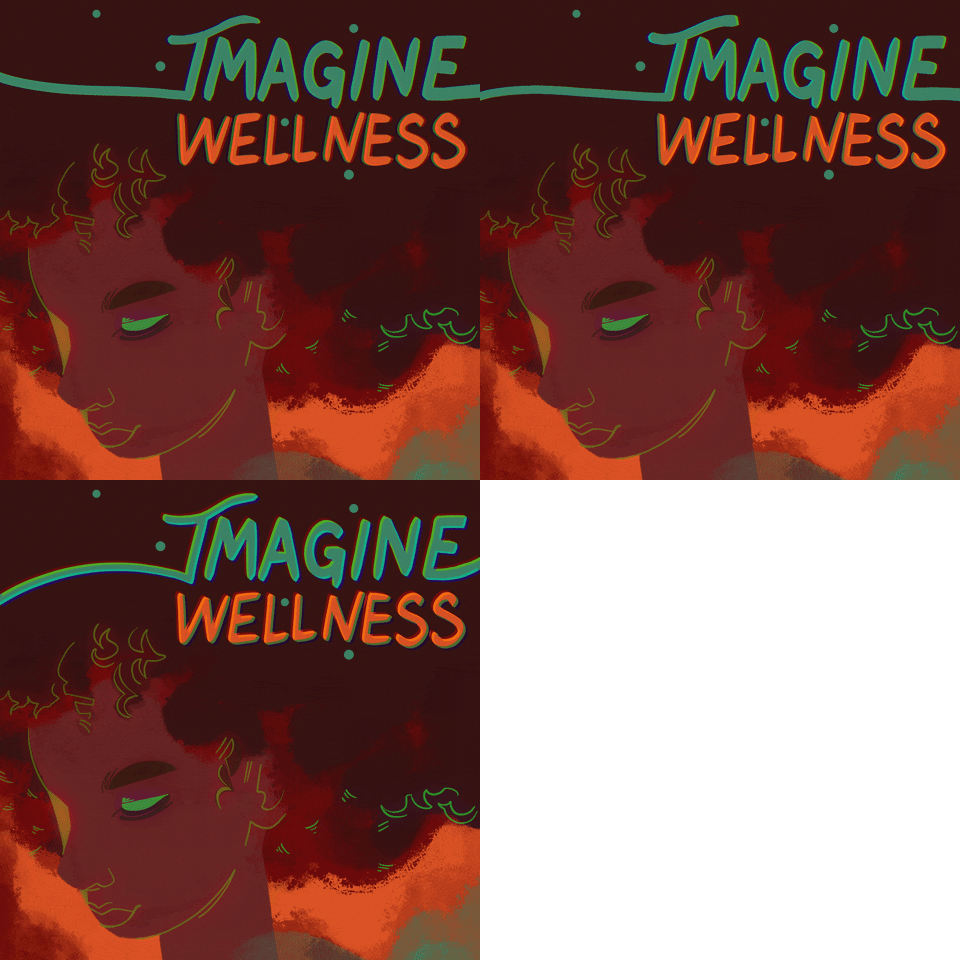
Mental health needs are at historic highs, and it's why whole person approaches are vital for better outcomes and personalized care. That is where integrative psychiatry steps in. Integrative psychiatry is a whole-person approach to mental health that combines standard medical treatments like prescription medication with evidence-based holistic practices such as nutrition, mindfulness, and lifestyle changes. It matters deeply for BIPOC healing because it rejects a rigid, one-size-fits-all model, working instead to address racial trauma, respect cultural backgrounds, and incorporate community-centered healing traditions. The goal of integrative psychiatry is to treat the causes of mental health challenges, not just manage the symptoms. By considering unique biological, psychological, and environmental factors, integrative psychiatry offers a more complete picture of mental health care.
At Blue Sage Wellness (BSW), this is how we practice every day. Unlike traditional practices that either provide only therapy or only medication management, our clinicians collaborate on unified treatment plans, coordinating everything from genetic testing to ketamine therapy to nutritional support.
Core Principles of Integrative Psychiatry
Integrative psychiatry combines conventional care with holistic strategies, including therapy, genetic testing, and advanced treatments like ketamine and neurofeedback.
Whole person care looks at how physical health, emotional states, environment, and spirit interact rather than just treating the surface symptoms. Functional psychiatry digs deeper into physical health factors using lab tests to uncover root causes such as nutrient deficiencies and hormonal imbalances.
Root cause resolution investigates underlying biological triggers like gut health, inflammation, and nutrient deficiencies that impact brain function.
Sensible medication use views conventional psychiatric medications as helpful tools rather than the sole solution, often using them alongside lifestyle or natural adjustments.
Why It Matters for BIPOC Healing
It validates racial trauma unlike traditional Western psychiatry that often pathologizes individuals while ignoring systemic racism. Integrative models openly acknowledge and hold space for the impacts of discrimination and cultural betrayal.
It decolonizes mental health and moves away from rigid, Eurocentric diagnostic frameworks to meet patients with cultural humility and respect for diverse backgrounds.
It honors ancestral and community wisdom, allowing space for traditional and holistic healing practices, such as storytelling, somatic bodywork, and spiritual rituals which are frequently left out of conventional medical offices.
It fosters empowerment by treating patients as collaborative partners in their health. It counters historical medical mistrust by building trust and autonomy.
How Do These Approaches Work?
The process starts with a comprehensive assessment. Instead of a quick medication check, there may be lab tests, a review of genetics, and an evaluation of lifestyle factors. From there, a plan is designed that can include:
Genetic Testing for Medication (i.e. GeneSight) which helps identify which medications are most likely to work based on your DNA. This reduces trial and error and lowers the risk of side effects
Functional Medicine that focuses on root causes such as nutrient deficiencies, hormonal imbalances, and gut health which can significantly influence mood and anxiety.
Innovative Treatments such as ketamine therapy (for treatment-resistant depression) and neurofeedback (a non-invasive brain training technique that improves focus and emotional regulation with significant benefits for ADHD and anxiety).
Collaborative Care often involves a team of clinicians and sometimes nutritionists working together on one plan. This eliminates the fragmentation common in traditional care.
Radical Healing in Communities of Color
The psychology of radical healing is a framework designed to address racial trauma and systemic oppression in Black, Indigenous, and People of Color (BIPOC) communities. Rather than focusing only on individual coping, it centers on collective well-being and cultural strength. It recognizes that pain is tied to structural inequalities.
Core Anchors of Radical Healing
Collectivism emphasizes community connection and shared emotional support. It realizes that struggles are collective rather than isolated individual failures.
Critical consciousness involves understanding the root causes of systemic racism and oppression rather than internalizing the effects of discrimination.
Radical hope focuses on a vision of a better future and maintaining optimism and agency despite ongoing societal barriers.
Strength and resistance honors the active pushback against injustice and the daily resilience required to thrive in joy-filled ways.
Cultural authenticity and self-knowledge rejects solely Eurocentric models of mental health by reconnection with ancestral roots, racial pride, and Indigenous traditions.
In clinical mental health practice, radical healing shifts the therapeutic objective from traditional symptom reduction to systemic context mapping, collective liberation, and active resistance. Mental health clinicians like those at BSW use this approach by integrating the five anchors into their assessment, goal-setting, and intervention strategies.
Rather than treating anxiety, hypervigilance, or depression as simple internal chemical imbalances or personal cognitive distortion, radical healing practitioners actively alter the clinical lens by systemic naming (connecting psychological distress to institutional and historical systems of oppression), eliminating self-blame acknowledging that racial stress is an institutional byproduct protects clients from internalizing structural barrier, and fostering political efficacy.
Common Questions
Do I need a referral to start?
No referral is needed to book with us.
Can I book with BSW if I already have a therapist or primary care provider?
Yes. We believe in team-based care and are happy to work alongside your existing providers.
What insurance does BSW take?
We accept Aetna and United Healthcare for qualifying visits. For other plans, we can provide a superbill for potential reimbursement. HSA, FSA, and CareCredit are also accepted.
What if I’m nervous about making an appointment?
That’s a completely reasonable response to a healthcare system that hasn’t always shown up for you. We encourage you to take the next small step anyway. A 15-minute discovery call is a low-stakes way to get a feel for the space before committing to anything.
Will I have to take medication?
No. We meet you where you are. Whether you prefer supplements over pharmaceuticals or want to combine holistic approaches with therapy, we create a personalized plan that aligns with your values and goals.


Comments